









Fair Copyright for Canadians
2008-03-27 02:47:46 Posted
by: ragaman7 Category: Copyright
Michael Geist has come up with a manifesto for the Fair Copyright for Canadians group, which has gone from a standing start to more than 38,000 members in less than two months. His "Principles for Fair Copyright for Canadians" contains seven simple, commonsense statements about what a good Canadian (or any nation's) copyright law should look like. Here's the first three:
Anti-circumvention provisions should be directly linked to copyright infringement. The anti-circumvention provisions have been by far the most controversial element of the proposed reforms. The experience in the United States, where anti-circumvention provisions effectively trump fair use rights, provides the paradigm example of what not do to. It should only be a violation of the law to circumvent a technological protection measure (TPM) if the underlying purpose is to infringe copyright. Circumvention should be permitted to access a work for fair dealing or private copying purposes. This approach - which is similar (though not identical) to the failed Bill C-60 - would allow Canada to implement the World Intellectual Property Organization’s Internet treaties and avoid some of the negative "unintended consequences" that have arisen under the U.S. law.
No ban on devices that can be used to circumvent a TPM. Canada should not ban devices that can be used to circumvent a TPM. The reason is obvious - if Canadians cannot access the tools necessary to exercise their user rights under the Copyright Act, those rights are effectively extinguished in the digital world. If organizations are permitted to use TPMs to lock down content in a manner that threatens fair dealing, Canadians should have the right to access and use technologies that restores the copyright balance.
Expand the fair dealing provision by establishing "flexible fair dealing." Led by the United States, several countries around the world have established fair use provisions within their copyright laws (Israel being the most recent). The Supreme Court of Canada has already ruled that Canada's fair dealing provision must be interpreted in a broad and liberal manner. Yet the law currently includes a limited number of categories (research, private study, criticism, news reporting) that renders everyday activities such as recording television programs acts of infringement. The ideal remedy is to address other categories such as parody, time shifting, and format shifting by making the current list of fair dealing categories illustrative rather than exhaustive.
[by Cory Doctorow, BoingBoing.net]
UPDATE |

|
Blogs
Remixd
Digital Rights Ireland
Political Remix Video
This & That
Wreck & Salvage Blog
Imaginify.org
blogonandon
stanislas kazal underground blog
Niall Larkin
Recycled Cinema
Remix Theory
Art Threat
Lessig
JD Lasica
Blogorragh
Boing Boing
Darknet
Damien Mulley
Add a Blog
Categories
Remix Culture
Digital Rights
Copyright
Education
Business
Politics
Technology
Movies/TV
FilmMaking/Editing
Other
Recommended Reading
Add a Book

Pirate Cinema
Cory Doctorow
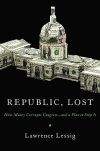
Republic, Lost: How Money Corrupte Congress -- And a Plan to Stop It.
Lawrence Lessig

Digital Copyright
Jessica Litman

The Video Vortex Reader
Edited by Giert Lovink and Sabine Niederer

Hillman Curtis on Creating Short Films for the Web
Hillman Curtis

Remix: Making Art and Commerce Thrive in the Hybrid Economy
Lawrence Lessig

Art of the Start
Guy Kawasaki

The Art of Innovation: Lessons in Creativity from IDEO, America's Leading Design Firm
Tom Kelley and Tom Peters

The Pirate' Dilemma
Matt Mason
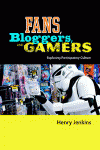
Fans, Bloggers, and Gamers: Media Consumers in a Digital Age
Henry Jenkins

Promises to Keep
William W. Fisher

Copy Fights: The Future of Intellectual Property in the Information Age
Adam Thierer
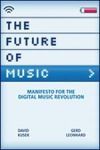
The Future of Music
David Kusek, Gerd Leonhard
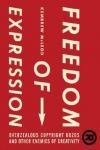
Freedom of Expression
Kembrew McLeod

The Future of Ideas
Lawrence Lessig

The Long Tail
Chris Anderson

The Cult of the Amateur
Andrew Keen

Convergence Culture
Henry Jenkins
Darknet: Hollywood's War Against the Digital Generation
JD Lasica
Free Culture
Lawrence Lessig

